Why Prefab Timber Homes Save Energy — Explore the Efficiency
Introduction
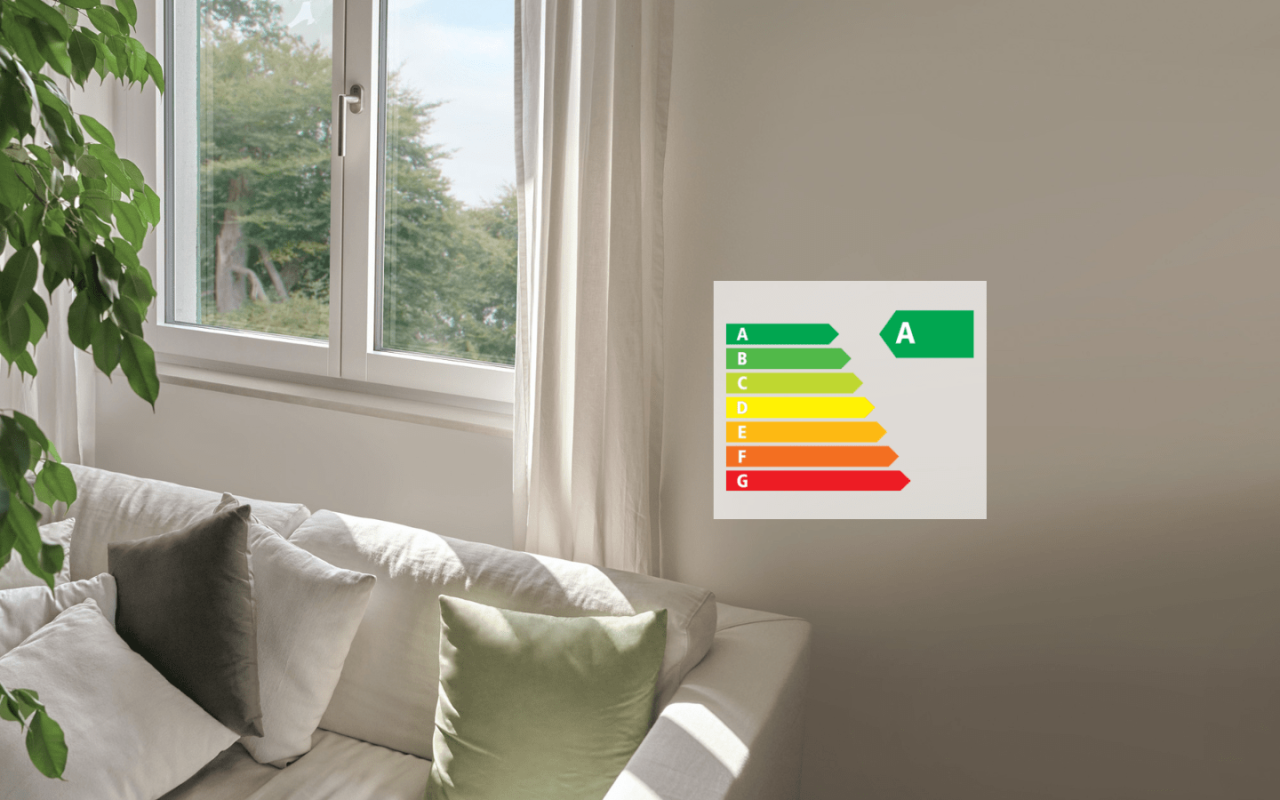
In today’s housing market, energy efficiency isn’t just a desirable feature—it’s a necessity. Prefabricated timber homes are emerging as one of the smartest and most sustainable housing solutions available. Built in controlled conditions, designed for airtight precision, and leveraging wood’s natural insulating properties, these homes deliver tangible benefits: lower energy bills, reduced carbon footprints, and superior living comfort.
1. Natural Insulation & Superior Thermal Performance
Timber naturally acts as a thermal barrier. Its cellular structure contains micro air pockets that insulate against heat transfer, outperforming materials like steel or concrete . Additionally, prefab homes are constructed with thicker insulation layers, deep wall cavities, and continuous thermal envelopes, which further minimize heat loss and thermal bridging . The result? A building that requires less heating in winter and less cooling in summer.
2. Airtight Construction & Factory Precision
Prefabrication enables precise manufacturing in controlled environments, significantly improving airtightness and sealing quality . Tight seals prevent unwanted drafts and energy loss, ensuring consistent indoor temperatures. Factory-quality control also reduces on-site errors and improves the performance of the entire building envelope.
3. Low Embodied Energy & Carbon Footprint
Timber is one of the most sustainable building materials. It requires far less energy to produce compared to steel or concrete—studies show embodied energy for timber is 28–47% lower . Furthermore, timber stores carbon within its structure, contributing to a negative or neutral carbon footprint over its lifetime . This makes prefab timber homes a compelling eco-friendly alternative.
4. Controlled Waste & Faster Construction
Factory production means precision-cut components and efficient waste management—reducing on-site material waste and disposal costs . Since assembly time on-site is drastically reduced—often by up to 50% compared to traditional builds —energy consumption during construction (e.g., heating, lighting) is also minimized.
5. Ready for Renewable Integrations
Timber prefab homes are well-suited to integrate modern energy systems like solar PV, heat pumps, and MVHR (mechanical ventilation with heat recovery) thanks to their modular design and anticipatory construction . They also align well with Germany’s KfW Efficiency House standards, which incentivize low-energy buildings through funding programs .
6. Real-World Examples: Prefab + Efficiency
One outstanding case is the Solar Settlement in Freiburg—a pioneering residential project where prefab timber modules, passive solar design, and PV integration result in ‘PlusEnergy’ homes that generate more energy than they use . This showcases the true potential when prefab timber meets smart design.
Benefits at a Glance
| Advantage | Description |
|---|---|
| Lower energy bills | Due to better insulation and airtight construction. |
| Reduced carbon footprint | Sustainable materials + carbon storage. |
| Fast build time | Factory production shortens on-site construction significantly. |
| Eco-friendly design | Minimizes waste and permits renewable energy integration. |
| High-quality control | Factory assembly ensures precision and consistency. |
| Grant eligibility | Meets energy standards like KfW, opening financing options for buyers. |